Growing Up in Zimbabwe: The Everyday Memories That Stay With Us
The games played after school, the voices that called us home, the routines of family life. Childhood was never the same everywhere — but ordinary moments often become the memories we carry furthest.
Ask Zimbabweans about childhood and the conversation can move quickly: from a game played in the street to a school uniform, a favourite meal, a grandparent’s advice or the sound of friends gathering outside. The details change from one person to another. A childhood in a Harare suburb was not identical to one in a rural village, a mining town, a farming community or Bulawayo. Even neighbours in the same place may remember it differently.
That variety is important. There is no single Zimbabwean childhood that can stand for everyone. But the everyday experiences people choose to remember can open a window onto family, community, language and the changing ways children grow up.
When the street became a playground
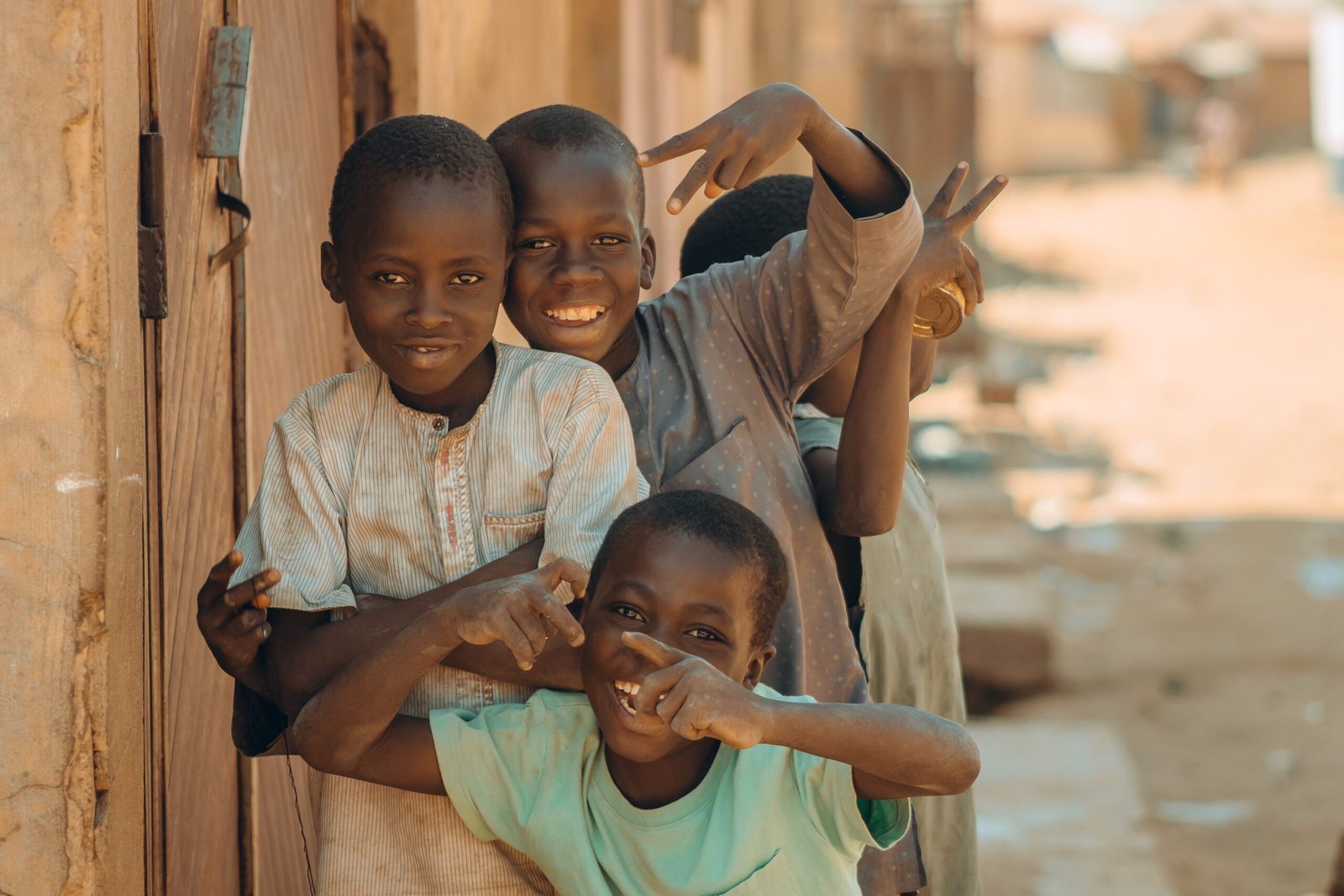
For many people, memories of play begin outdoors. Children made games from what was available: a patch of open ground, a few stones, bottle tops, a ball or a marked-out space in the dust. Games such as pada, nhodo and tsoro are recorded in research and educational material on Zimbabwean children’s play. Names, rules and variations differ across communities and languages.
Pada is often compared with hopscotch: players move through a drawn pattern, commonly while avoiding a square marked by a small object. Nhodo uses small objects such as pebbles, with players developing skill through rhythm, timing and coordination. Tsoro, a strategy game played on a board or in holes made in the ground, asks players to think ahead. These are not simply ways to pass time. Researchers have described how traditional games and play songs can help children practise counting, language, cooperation, concentration and problem-solving.
Other memories may involve football in an open space, skipping, hide-and-seek, singing games or imaginative play. The point is not that every child played the same games, but that play often brought children together and gave them a way to learn the rules of a shared space.
The journey to and from school
School memories are often made up of small details: the weight of a bag, polished shoes, a uniform being prepared the night before, the walk or bus ride, the assembly bell and the sound of a classroom filling up. Some remember long distances travelled on foot; others remember crowded commuter transport, school buses or being dropped off at the gate.
There were differences in school experiences across generations and locations — in access to books, facilities, transport and the languages used in the classroom. A memory of school can therefore be joyful, difficult or both. For some, it brings back friendships and teachers who encouraged them. For others, it recalls strict discipline, financial pressure or the effort a family made to keep children learning.
Home had its own soundtrack
Family life is often remembered through sounds and routines. Someone calling children in before dark. A radio playing in the background. Adults talking in the kitchen or around the yard. The rhythm of chores, homework, preparing food and making time for visitors. In some homes, grandparents and extended family played a central role in passing on language, family history, practical skills and expectations. In others, those connections were shaped by migration, work or changing household arrangements.
Food can be just as powerful a memory. The smell of sadza, the preparation of vegetables, meals shared from a common dish, seasonal produce, or a particular snack bought on the way home can bring back a specific person or place. These memories are personal, and they do not need to be grand to matter.
Growing up, then and now
Childhood has changed alongside Zimbabwe itself. Access to television, mobile phones, the internet and digital entertainment has altered how many children spend time, communicate and discover the world. Economic pressures, migration and changing work patterns have also shaped family routines. At the same time, children still make friendships, invent games, learn from older relatives and find ways to turn ordinary places into spaces for play.
It is easy to romanticise the past, especially when remembering childhood from a distance. Not every earlier experience was carefree, and not every modern change has erased older traditions. A more honest memory allows room for both affection and complexity: what people miss, what they would rather leave behind, and what they hope the next generation will keep.
Tell us what you remember
Memories become part of a wider heritage when people choose to share them. Perhaps you remember the game everyone on your street knew, the teacher who changed your direction, the journey to your first school, a family ritual, or the small shop where you spent your pocket money. Your memory may be different from someone else’s — that is exactly why it belongs in the collection.
ZimHeritage welcomes personal stories from Zimbabweans at home and across the diaspora. Share the details in your own words, including the town, neighbourhood or period you remember if you are comfortable doing so. We want to preserve a range of voices, not manufacture one version of the past.