Thomas
Mapfumo
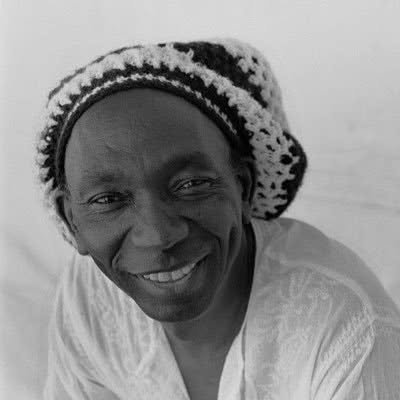
More than music.
A cultural legacy.
Thomas Tafirenyika Mapfumo is a Zimbabwean singer, songwriter and bandleader closely associated with Chimurenga music. His work helped bring traditional Shona musical ideas into modern popular music, creating a sound that became inseparable from Zimbabwe’s cultural and political history.
Rather than simply reproducing traditional music, Mapfumo adapted elements associated with the mbira into an electric band setting. Sung largely in Shona, his music gave local language, musical heritage and social commentary a prominent place in contemporary Zimbabwean popular music.
During the final years of white-minority rule in Rhodesia, his politically charged songs became associated with the liberation struggle. After independence in 1980, his music continued to address public life, including corruption and the conduct of political leaders.
His importance lies not only in the songs themselves, but also in the way they connect music, language, memory and national identity. His career offers a window into the changing story of Zimbabwe.
Tradition meets the electric age.
Chimurenga is commonly translated as “struggle” and is associated with liberation and resistance in Zimbabwean history. As a musical style, it is strongly associated with Mapfumo’s adaptation of Shona musical traditions into contemporary band music.
The sound draws on interlocking melodic patterns and rhythms associated with the mbira, supported by electric guitars, bass and drums. It reworks traditional musical ideas for a different ensemble and audience.
Roots in Shona music
Traditional melodic patterns and musical sensibilities helped provide the foundation for Mapfumo’s distinctive sound.
Language with purpose
Shona lyrics gave his music an immediate connection with many local listeners and a vehicle for social observation and political messages.
A sound that evolved
Electric instrumentation and the inclusion of mbiras in his band helped develop a recognisable meeting point between traditional influences and modern music.
Milestones in the story
The dates below focus on documented turning points in Mapfumo’s musical career and Zimbabwe’s history. They are not intended to represent every event in his life.
Finding a distinctive voice
Mapfumo developed a musical approach drawing on Shona influences and modern popular instrumentation. He performed with the Hallelujah Chicken Run Band and later the Acid Band as his music became increasingly associated with political commentary.
Music under colonial rule
Published accounts describe detention by the Rhodesian authorities in the late 1970s amid the political tensions surrounding his music. This period helped cement the association between his songs and the struggle for independence.
Blacks Unlimited
Mapfumo’s band became known as the Blacks Unlimited, a key part of the musical identity that developed around Chimurenga.
A newly independent Zimbabwe
Zimbabwe achieved independence in April 1980. Mapfumo’s album Gwindingwi Rine Shumba is associated with the early independence period and the celebration of the country’s new chapter.
The sound grows
Albums including Mabasa and Mr. Music helped extend his catalogue. During this decade, mbiras became part of his band’s instrumentation alongside modern instruments.
Corruption
The song “Corruption” became a prominent example of Mapfumo’s critical approach to public affairs. Music reference accounts report that the song faced a ban in Zimbabwe.
A wider international audience
His recordings and performances reached listeners beyond Zimbabwe, helping bring Chimurenga to international world-music audiences while his work remained connected to home.
Rise Up
The album Rise Up appeared digitally in 2005 and received a physical release in 2006 through Real World Records, extending his international recorded presence.
Recordings that mark the journey
These selected releases illustrate different stages of Mapfumo’s career. Dates can vary between original recordings, regional editions and reissues, so the years shown are broad guides rather than definitive first-release dates in every territory.
Hokoyo
An early landmark associated with Mapfumo’s work with the Acid Band and the political charge of his emerging sound.
Gwindingwi Rine Shumba
A major recording linked to the early independence era and the development of his sound with the Blacks Unlimited.
Corruption
A pointed musical critique illustrating how his songs continued to engage with public affairs after independence.
Mabasa
A key album in his 1980s output, reflecting the continuing development of Chimurenga with the Blacks Unlimited.
Chamunorwa
A recording associated with his willingness to challenge political power and address the direction of the country.
Rise Up
An album that carried his work into the 2000s and was released internationally through Real World Records.
Why his legacy matters.
Mapfumo’s career shows how popular music can preserve cultural references while responding to historical change. His work made Shona-language songwriting, traditional musical ideas and public criticism central to a modern Zimbabwean musical identity.
His story also reminds us that independence did not end the role of music in political debate. Artists continued to interpret the challenges of the new nation, and Mapfumo’s later criticism of those in power became an important part of his public legacy.
For Zimbabweans at home and in the diaspora, his recordings can serve as more than entertainment. They are an invitation to revisit the language, memories, debates and musical traditions that help tell the story of a country.
Some songs become part of a nation’s memory.
Thomas Mapfumo’s story belongs to the wider history of Zimbabwean music: a story of tradition, transformation, resistance and cultural expression that continues to invite new generations to listen and learn.
Further reading and references
Thomas Mapfumo — Official biography
Thomas Mapfumo — Chimurenga music
AllMusic — Thomas Mapfumo and the Blacks Unlimited
Thomas Mapfumo — Music catalogue
Editorial note: This is an independent ZimHeritage cultural feature, not an official biography authorised by the artist. Dates and descriptions are presented cautiously where published discographies differ.