Harare.
The City
We Call Home.
From jacaranda-lined avenues to the energy of Mbare, from art-filled galleries to memories made on familiar streets — discover the many stories of Zimbabwe’s capital.
A city of memories, movement and possibility.
Harare is more than the capital of Zimbabwe. It is a place of first jobs, school journeys, busy markets, family visits, music from passing cars and conversations that seem to last forever.
Known for its greenery and highland setting, the city brings together government, business, art, culture and the everyday lives of people from across the country. Its identity lives not only in its landmarks, but in the memories people carry with them.
For Zimbabweans at home and across the diaspora, Harare can be a destination, a starting point, or simply a place that will always feel familiar.
Four sides of Harare.
Every corner has a character. Every landmark holds a story. Here are some of the places that help tell the story of the capital.
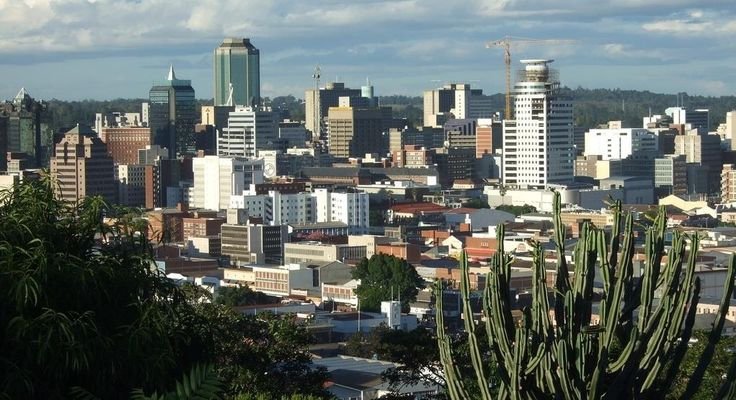
The Kopje & the city skyline
Rising above the city, the Kopje offers a different perspective on Harare. From its rocky heights, the buildings and streets spread across the high plateau — a reminder of how the capital has grown and changed.
It is a place to pause, take in the view and think about the many lives unfolding below.
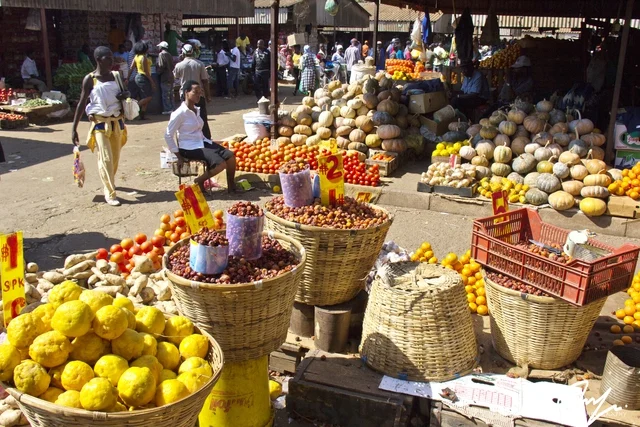
Mbare — the rhythm of the city
Mbare is one of Harare’s best-known, busiest urban neighbourhoods. Its market life brings together produce, traders, transport, conversations and the constant movement of people.
Markets are more than places to buy and sell. They are meeting points where livelihoods, food traditions, enterprise and everyday Zimbabwean life come together.
Art that tells our story
The National Gallery of Zimbabwe is an important home for the country’s visual arts. Its exhibitions and collections create space for artists to explore identity, history, ideas and contemporary life.
Zimbabwean creativity reaches beyond gallery walls, from celebrated stone sculpture to new generations of painters, photographers and makers.
Explore the National Gallery ↗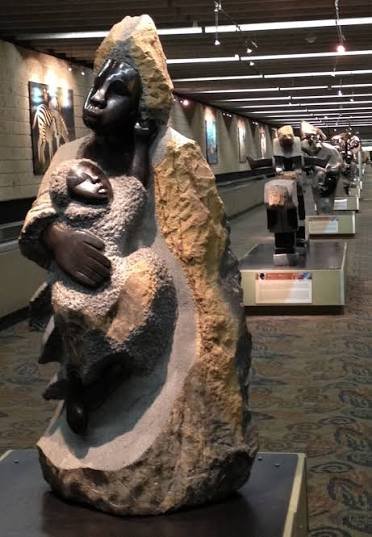
Streets lined with history
Harare’s older buildings and central streets offer glimpses into the city’s changing past. The Avenues area includes historic buildings, while the wider city reflects different periods of growth and transformation.
Looking closely at these places helps us understand how the capital became what it is today — and why preserving its stories matters.
Discover Harare’s history ↗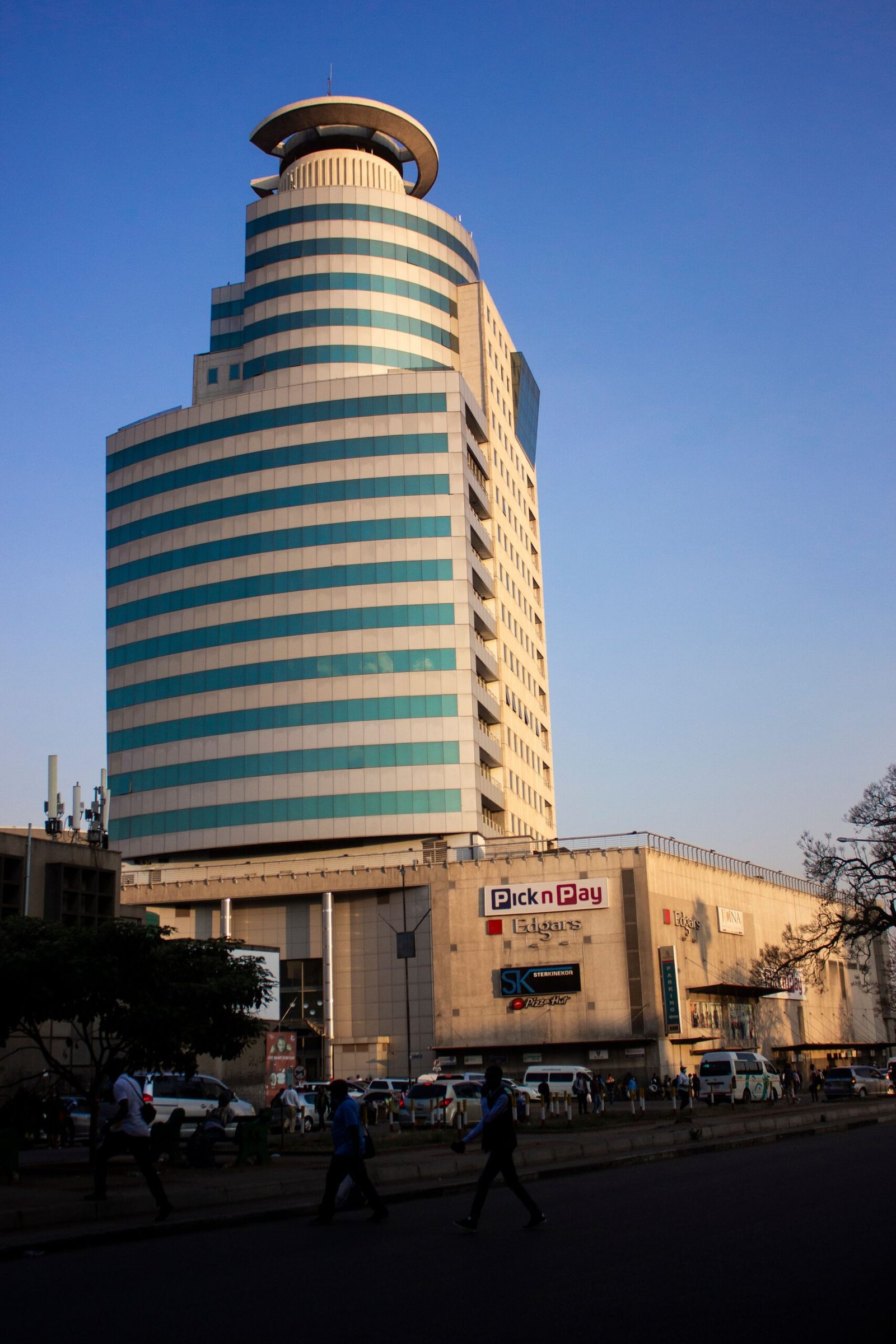
Harare lives in the details.
It lives in the sound of a familiar song, the smell of food from a favourite spot, the rush to catch transport, the first rain after a dry spell and the trees that colour the streets in season.
For some, Harare means opportunity. For others, it means family, friendship, growing up or the place they still dream of returning to.
These personal memories are part of the city’s heritage, too.
What does Harare mean to you?
Was it your childhood home, your place of work, your favourite weekend destination or the city you still miss from abroad? Tell us about the Harare you remember — and the Harare you know today.
Explore more storiesHistorical note: the settlement was founded in 1890 as Fort Salisbury and renamed Harare in 1982. Elevation is approximate and varies by location within the city.